Appreciate the Position of a Landscaper in Building and Caring for Dynamic Outdoor Areas
The job of a landscaper extends beyond just how things look. Landscapers combine creative skill and environmental guidelines to design eco-friendly exterior settings. Through careful picking the right plants and deliberate planning, they improve usability while fostering species variety. Yet, the effect of their work reaches far beyond individual properties. Understanding the many roles of landscapers shows profound consequences for societal health and environmental health. What factors truly drive their judgments in forming these critical natural settings?
The Skill and Knowledge of Landscape Design
While many may perceive landscape design as just a visual endeavor, it deeply integrates art and science to develop harmonious outdoor spaces. A successful landscape designer needs to grasp the core design concepts, including balance, proportion, and rhythm, while also thinking about nature's needs. The blending of indigenous flora, earth varieties, and regional environments plays an essential role in forming long-term ecosystems.
By employing artistic elements like color, texture, and form, landscape designers fashion visually appealing spaces that appeal to human emotions. Conversely, scientific knowledge guarantees that these designs are practical and sustainable, dealing with factors like drainage, plant growth, and pest management.
Via this combination of artistry and scientific understanding, landscapers convert common spaces into dynamic, useful spaces that boost public welfare and foster a connection to nature. Ultimately, landscape design is a contemplative activity that fosters a stronger recognition for the surrounding world.
Necessary Talents and Credentials of a Landscaper
In order to thrive in the field of landscaping, individuals must possess a wide range of abilities and credentials that mix professional know-how with hands-on work. A deep knowledge of horticulture is essential, allowing them to pick suitable vegetation and understand how they need to grow. Proficiency in landscape design software is increasingly valuable, enabling designers to develop precise blueprints and visualizations for clients.
Additionally, physical stamina and manual dexterity are necessary, as landscaping commonly includes heavy lifting, digging, and operating machinery. Effective communication play a vital role, which permits them to work closely with customers and fellow workers successfully.
A degree in design principles or a relevant area boosts a landscaper's professional standing, whereas credentials from recognized organizations may further validate their knowledge. Ultimately, a mix of these qualifications and attributes allows landscapers to provide attractive and useful outdoor environments, meeting the varied demands of their clientele.
Picking and Procuring Vegetation for Maximum Development
A landscaper's capacity to choose and acquire vegetation is fundamental to creating robust outdoor settings. This process involves a keen understanding of botany, weather patterns, and soil types. Through assessing the unique location factors, landscapers may determine varieties that will flourish in the specific setting, guaranteeing optimal development and resilience.
Furthermore, procuring flora from reputable nurseries or regional producers is vital. This does more than ensure the vitality and condition of the plants but also supports sustainable practices. Landscapers frequently look at indigenous species, which are adapted to local ecosystems and require less maintenance, positioning them as a green option.
In addition, the selection process should factor in yearly fluctuations, ensuring that the landscape remains vibrant in every season. Through thoughtfully selecting a wide array of flora, landscapers create visually appealing spaces and supporting ecological balance and environmental equilibrium, which fosters durable green spaces.
Developing Usable Outdoor Settings: Arrangement and Planning
Designing usable outdoor environments demands close attention of planning and aesthetics to ensure efficient use of the area. A skilled landscaper mixes attractive qualities with usable features, improving the enjoyment of the environment. Thoughtful design not only maximizes usability but also harmonizes with the adjacent environment.
Efficient Use of Area

While many homeowners envision their outdoor spaces as mere extensions of their interior environments, effective space utilization transforms these areas into usable and welcoming areas. Landscapers are vital in evaluating the unique dimensions and features of every area, ensuring that every square foot is optimized for purpose and relaxation. Careful planning and arrangement include features like trails, places to sit, and greenery that facilitate transit and socializing. Navarre Landscaper. By considering factors like sunlight, air currents, and existing structures, designers develop balanced settings that address the living requirements of the property owners. This strategic planning doesn't just improve usability and promotes a sense of connection between interior and exterior areas, turning them into key elements of a seamless domestic life
Aesthetic and Functional Balance
Attaining a balanced blend of beauty and utility in outdoor spaces requires careful consideration of both design elements and practical use. Professionals are required to examine the planned function of the space in addition to the visual appeal. For instance, designing a rest spot should include cozy seating while ensuring it goes well with nearby flora and routes. Good spatial organization incorporates natural flow, making access straightforward and ease of use. Incorporating features such as illumination, fountains, and varied flora enhances both visual appeal and practicality. Furthermore, selecting resilient resources ensures that outdoor spaces resist diverse atmospheric elements, maintaining their functionality over time. In the end, a well-executed landscape plan blends beauty with practicality, fostering environments that invite enjoyment and address the requirements of users.
Why Environmental Sustainability Matters in Landscape Design
Ecological responsibility in landscaping is crucial to conserving environmental assets and supporting ecological diversity. By focusing on environmentally sound plantings and applying successful water conservation techniques, landscapers can design exterior areas that are both beautiful and ecologically sound. This method boosts the look of the space but also aids in the enduring well-being of the local ecology.
Selecting Environmentally Sound Flora
How can landscapers contribute to a healthier ecosystem through their plant choices? By selecting native and low-water species, landscapers play an essential role in advancing ecological responsibility. Navarre Landscaper. Native plants require minimal care, benefiting native animals and lessening the use of chemical essential resource fertilizers and chemical sprays. Their roots grow further down, boosting the vitality of the earth and mitigating washout. Additionally, employing a diverse range of species of plants encourages species richness, which is essential for environmental strength. Landscapers can additionally implement organic practices, such as composting and mulching, to help lessen environmental impact. Through judicious plant selection, they don't just create vibrant outdoor spaces but also contribute to the preservation of local ecosystems and the overall health of the environment
Water Conservation Techniques
Landscapers can greatly enhance sustainability in outdoor environments by utilizing effective water conservation techniques. One frequently used approach is the use of xeriscaping, which means picking drought-resistant plants that require minimal irrigation. Additionally, landscapers are able to design efficient irrigation systems, for example drip irrigation, which provides moisture directly to the plant roots, cutting down on waste. Rainwater harvesting systems may also be included, making possible the collection and storage of rainwater for landscape use. Mulching helps retain soil moisture and lessens evaporation, which helps with water conservation. Furthermore, landscapers should inform clients about appropriate watering schedules to guarantee efficient use of water resources. By using these methods, landscapers are crucial in promoting environmental sustainability while keeping up vibrant outdoor spaces.
Maintenance Strategies for Successful Outdoor Areas
While many might see maintenance as a routine chore, it is crucial for cultivating vibrant outdoor environments. Proper maintenance routines make sure that landscapes stay healthy and aesthetically pleasing throughout the seasons. Regular tasks include mowing, pruning, and weeding, which assist in promoting growth and deter pests and diseases.
Irrigation systems need to be watched and adjusted to make certain plants receive adequate water without too much runoff. Mulching not only retains moisture but also controls weeds, resulting in a cleaner appearance. Fertilization, when used wisely, supplies essential nourishment that strengthen plant health.
Additionally, addressing drainage issues is critical to prevent waterlogging, which may harm root systems. Seasonal assessments let landscapers identify and address potential problems before they become serious. Through these careful maintenance practices, landscapes will prosper, fostering environments that are both practical and visually appealing.
The Financial and Communal Benefits of Outdoor Environments
Despite being commonly disregarded, green areas are crucial in improving profitability and societal welfare in local areas. Well-designed outdoor environments lure companies and boost land worth, as potential buyers often prioritize aesthetics and green spaces. In addition, designed environments aid community commerce by offering locations for gatherings and leisure pursuits, fostering tourism and community engagement.
Regarding community life, these environments support emotional balance and physical condition, offering residents places to relax, exercise, and connect with nature. Green spaces and yards function as neighborhood centers, reinforcing social ties and encouraging community involvement. Moreover, properly cared-for green areas help lower city temperatures, improve air quality, and enhance biodiversity, leading to better residential environments.
Fundamentally, landscaped spaces not only beautify neighborhoods but also offer substantial economic benefits and nurture neighborhood connection, establishing them as crucial elements of flourishing societies.
Commonly Asked Questions
What Instruments Are Standard for Landscaping Jobs?
Gardeners frequently utilize instruments including shovels, rakes, pruners, lawnmowers, and hoes. Furthermore, they frequently use barrows, bush shapers, and edging machines to skillfully form and preserve exterior environments according to design specifications and client preferences.
What is the Landscapers' Approach to Controlling Garden Pests?
Landscape professionals handle pest management through comprehensive strategies, which involve recognizing harmful insects, implementing biological or chemical solutions, fostering advantageous arthropods, and executing protective actions like correct planting and area maintenance to ensure green environments remain robust.
What Problems Frequently Arise for Landscapers?
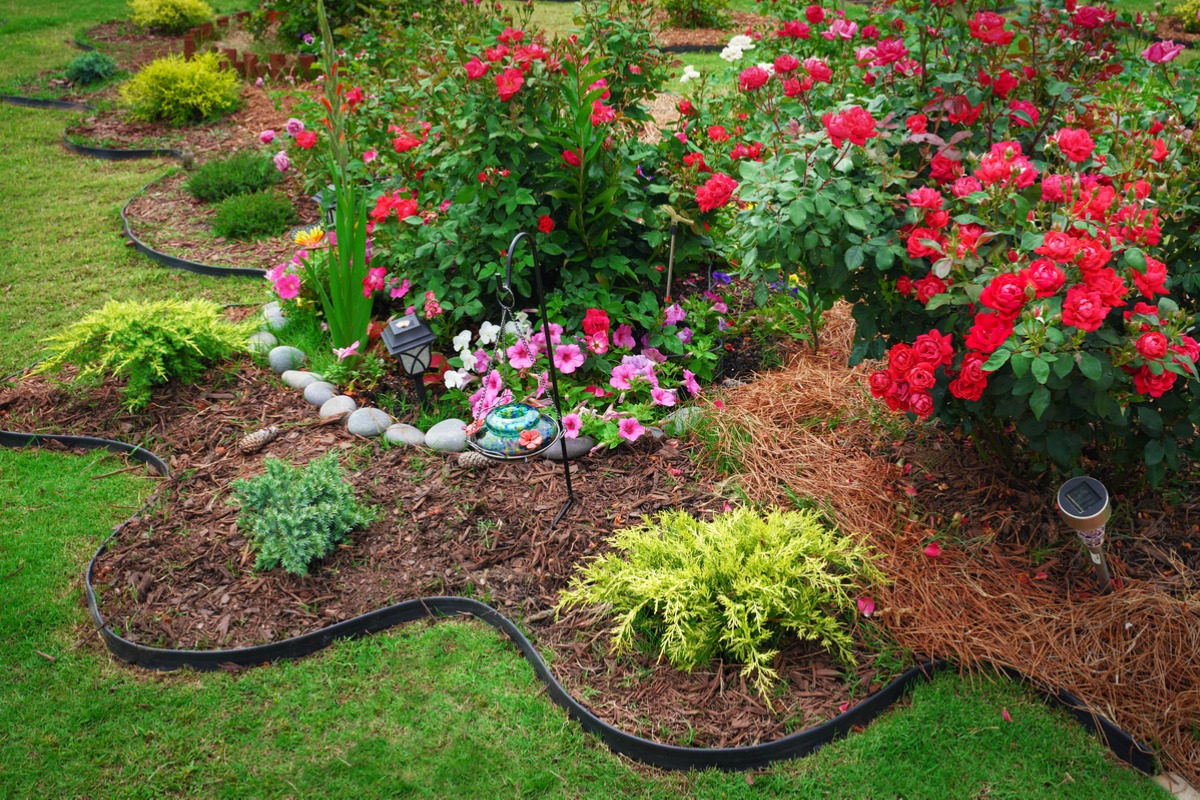
Landscapers often encounter challenges such as volatile atmospheric conditions, monetary restrictions, earth composition problems, pest invasions, and patron requirements. These elements may make project schedules difficult and influence the total achievement of the landscape project.
In What Way Does the Time of Year Influence Landscaping Work and Upkeep?
Seasons greatly impact landscaping projects and maintenance, since heat, rainfall, and light duration affect foliage development, ground status, and insect presence. Landscapers must adapt their strategies accordingly to secure favorable achievements year-round.
What is the typical duration for finishing a landscaping project?
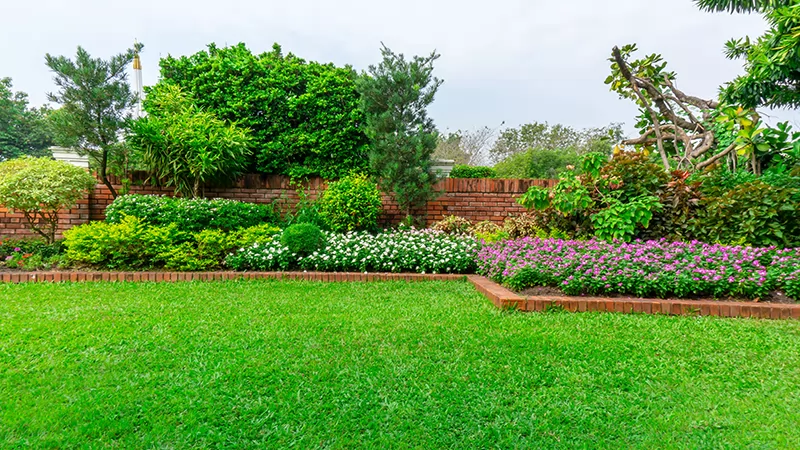
A standard landscaping project timeline ranges from a few weeks to several months. Things that determine duration include project complexity, weather conditions, and time of year, requiring detailed planning and organization for it to be completed successfully.